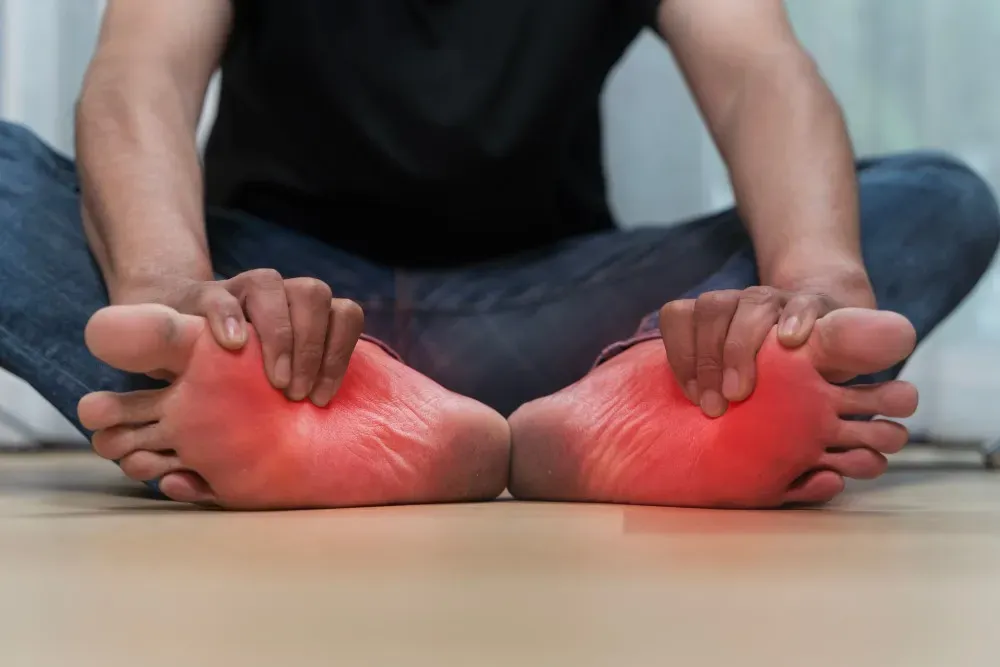
Relief for Winter Foot Burning and Tingling With Advanced Neuropathy Care
For most patients, neuropathy requires long-term management, and part of that involves taking extra care of your feet during colder months. This winter, partner with a podiatry specialist to better manage your symptoms.
Winter brings stunning snowscapes, but if you’re living with neuropathy that affects your feet, cold weather can also aggravate the tingling and burning symptoms and make the condition more challenging to manage.
Podiatrist Andrew McCall, DPM, FACFAS, offers comprehensive, personalized neuropathy care at Alpine Foot and Ankle in Idaho Falls, Idaho and Alpine, Wyoming. With over 20 years of experience, Dr. McCall can help you find effective solutions to relieve nerve pain and keep you on your feet comfortably all winter long.
Why is winter neuropathy care essential?
Diabetes is the most common cause of neuropathy. Roughly 50% of people living with diabetes will go on to develop nerve damage at some point. That’s why taking special care of your feet is essential to preventing serious complications and living well with diabetes.
Winter temperatures around Alpine regularly drop below zero degrees Fahrenheit, especially at night. While Idaho Falls regularly averages below 20 degrees. These cold temperatures constrict blood vessels, which reduces circulation to delicate peripheral nerves already struggling to function properly.
Having even less blood flow increases symptoms and reduces the ability to sense potential issues, such as a pebble in your boot or a cut.
Targeted therapies for neuropathy relief
For patients whose symptoms worsen during the chilly months, there are a number of approaches to helping you get relief and keep your feet healthy.
Prescription medications
Damaged nerves send misfired pain signals to the brain. Specific prescription medications alter how your body processes these signals, providing sustained comfort throughout the day and helping you sleep peacefully through the night.
Physical therapy and balance retraining
Neuropathy disrupts positional awareness, making it difficult to feel where your feet meet the ground. Winter ice and snow heighten your risk of falling and injuring yourself or your feet.
Specialized physical therapy restores core balance, strengthens supporting muscles, and maintains joint flexibility so you can navigate slick pathways safely.
TENS therapy
Transcutaneous electrical nerve stimulation (TENS) delivers subtle electrical currents to disrupt pain signals along nerve pathways. This noninvasive approach provides safe, effective relief as part of an overall management strategy.
Protective footwear
Decreased sensation makes your feet particularly vulnerable to winter footwear hazards. Tight winter boots create hidden pressure points and restrictions.
Dr. McCall evaluates your gait to prescribe specialized footwear, custom orthotics, or supportive braces that redistribute pressure, prevent friction, and accommodate changes in foot structure.
In-office comfort during procedures
To keep you comfortable during in-office treatments and injections, Alpine Foot and Ankle provides Nitronox PLUS®. This quick-acting blend of nitrous oxide and oxygen helps relieve stress and minimize pain, making your procedure as smooth and relaxing as possible.
Specialized wound management and surgical options
Loss of feeling can lead to minor injuries going unnoticed until serious complications develop beneath heavy winter socks. A minor blister or crack can rapidly develop into a severe ulcer when circulation or nerve health is compromised.
Dr. McCall provides prompt wound management to prevent infection and accelerates healing. In cases where nerve compression is involved, surgical intervention can relieve pressure on trapped or constricted nerves, significantly improving pain and function.
Daily winter foot care essentials
When you have neuropathy, protecting your feet at home forms your first line of defense:
- Inspect your feet every evening for redness, blisters, swelling, or cuts
- Avoid warming your feet with heating pads or hot water bottles
- Wear warm, breathable, insulated socks
- Wear well-fitted boots with sturdy anti-slip soles
- Avoid walking barefoot, even indoors
Combining these home habits with routine clinical evaluations provides the strongest protection against winter complications. If you notice a new wound, sudden discoloration, or worsening pain, prompt medical attention is essential to prevent serious complications.
Step into winter comfort
You don’t have to endure uncomfortable tingling and burning or give up your mobility this season. Contact Alpine Foot and Ankle today by calling the office near you or booking your consultation online to take the first step toward lasting relief.